Family
Family and teacher corner
The tales of Dede Korkut are as good for talking about as they are for listening to. For each tale we've prepared a key idea, five conversation questions and a small activity. Print the page to use it in class.
Reading together
Don't be afraid to pause the story. Asking 'What do you think happens next?' turns listening into a game. There are no wrong answers. The tales are there to raise questions and the heroes are there to be argued about. When an old word comes up, look it up together in the Glossary. Some scenes may be frightening for little ones. You can always tell them in a gentler, shorter way.
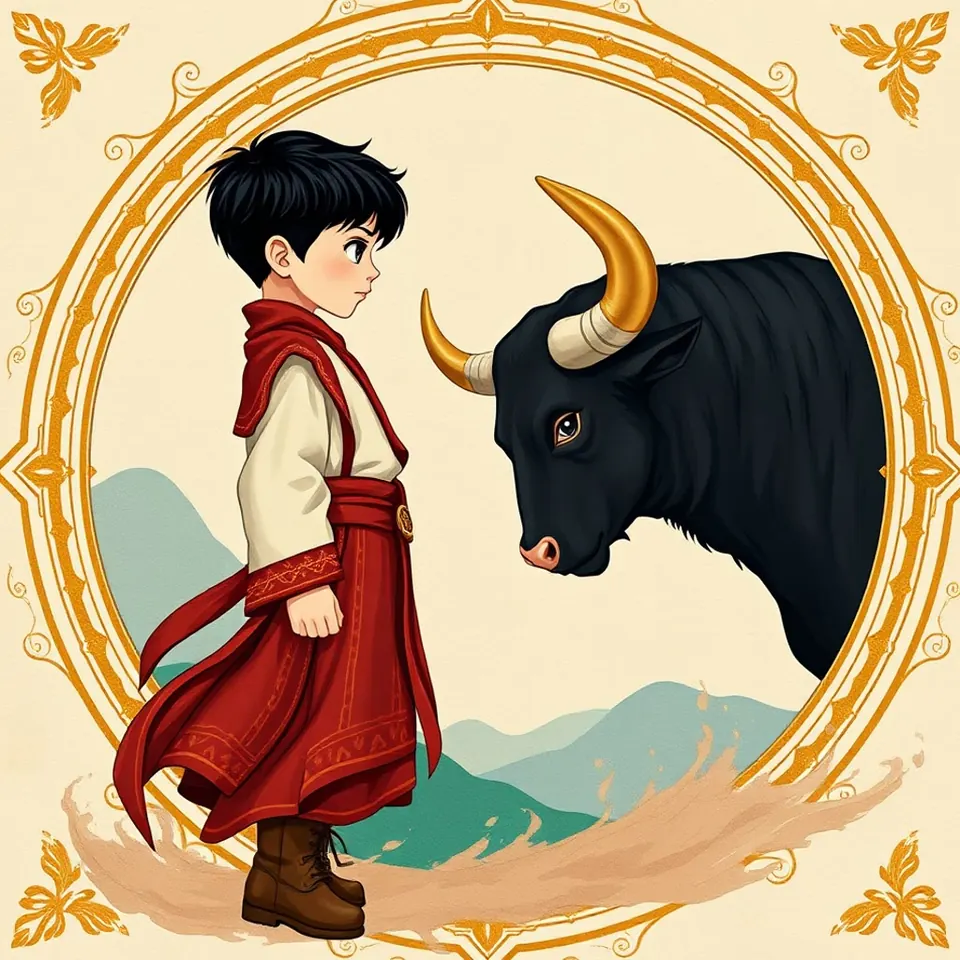
Tale 1 • Age: Ages 6 and up Key idea: A name is earned, not given; forgiveness, not resentment, is what makes us grow.
Conversation questions
Why weren't Oghuz children named on the day they were born? Do you think it was a good custom? Boğaç did not run from the bull. Have you ever stood up to something that scared you? Why did the forty men lie? What can jealousy make people do? Why did Boğaç forgive his father? What would you have done? What is the mother's role in the story? How would it end without her? Activity: Everyone picks a new name for themselves, based on a real moment of kindness or courage, and tells the story behind it.
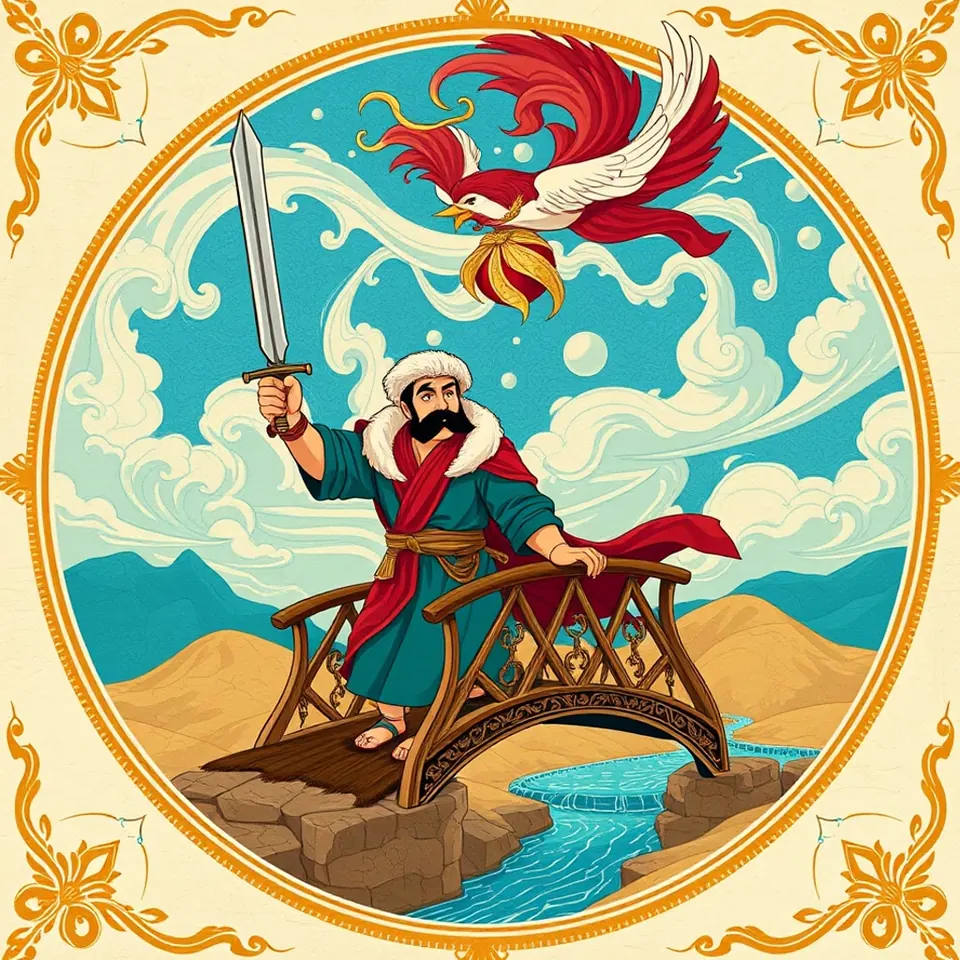
Tale 5 • Age: Ages 7 and up Key idea: Strength lies in giving, not taking; true love shows itself in hard times.
Conversation questions
Why did Dumrul charge people to cross the bridge? Was that right? Why was challenging Azrail madness? His parents loved him, so why wouldn't they give their lives? Should we be angry with them? Why did his wife agree without hesitation? Why did Dumrul's prayer change? Why was the bridge free at the end of the story? Activity: For one week, everyone at home writes down one kindness they did without expecting anything back. Read them together at the weekend.
Tale 8 • Age: Ages 7 and up Key idea: Wit solves what the sword cannot; strength only has meaning in how it is used.
Conversation questions
Was Tepegöz born bad, or did he become bad? What do you think changed? Why didn't Basat's arrows work? What did he do next? Who set Basat on his way? Why does someone else's trouble move us to act? How did Basat see through the trick of the ring? What would you have done? What is the difference between being strong and being clever? Activity: Make up a 'wit puzzle' together: one person describes a problem and the others suggest ways to solve it without force.
Print this page